Get in touch

Rethinking Collections in Kenya: Why Technology Alone Is Not Enough

Wambui Mbesa
Wambui Mbesa CEO East Africa
Single Image

I often describe myself as truly Kenyan.
I call many places home, whether by heritage, birth, marriage, or migration. Having lived in Nairobi, Kiambu, Kajiado, and Mombasa, I have experienced firsthand the diversity of our country. Like many Kenyans, my life has been shaped by strong family and community ties. Here, family extends far beyond the nuclear household. We support one another through education, weddings, funerals, medical emergencies, financial challenges, and many other aspects of life.

This sense of shared responsibility also influences how we borrow and repay money and can also create confusion when loans fall into arrears.

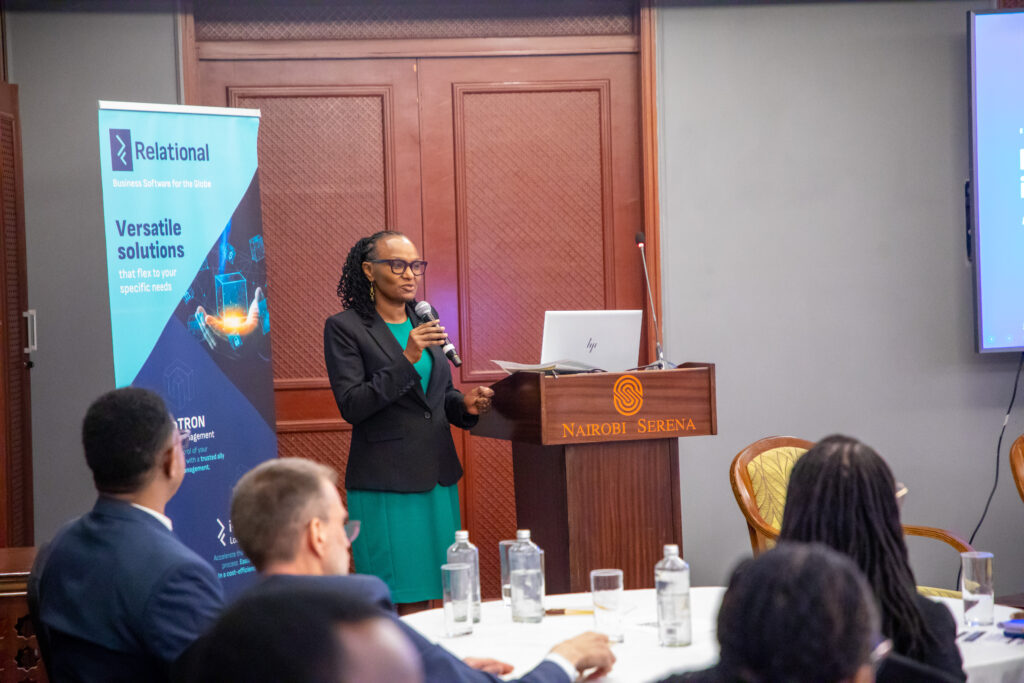
This was the backdrop to our executive forum, “Rethinking Collections in Kenya,” hosted by Relational at the Serena Hotel in Nairobi. The event brought together more than 33 professionals from banks, SACCOs, telcos, and digital lending institutions to discuss the future of collections in Kenya.

I opened the session by sharing a personal experience involving a relative who was pressured by a financial institution to repay a debt taken by his spouse. Distressed and unsure of his rights, he reached out to me for guidance. I asked him two simple questions:

“Did you take the loan?” and “Did you guarantee the loan?”

The answer to both was no.

Armed with that clarity, he challenged the demands being made of him, and the lender ultimately had no choice but to release him.

While this may seem like an isolated incident, it highlights a broader challenge facing the lending industry today. From not knowing whom they are lending to, to how they approach recovery, organizations can sometimes adopt practices that damage customer relationships, increase regulatory risk, and erode trust.

The Lenders Executive Forum reinforced an important reality that collections is not simply an operational function but a strategic capability with a direct impact on customer experience, reputation, compliance, and business performance.

Four key themes emerged from the discussions: borrower behavior is evolving, collections must protect customer relationships, technology is a strategic enabler, and governance matters.

Borrower Behaviour is Evolving

Our keynote speaker, Morris Maina, Managing Director of TransUnion Kenya, shared insights on changing borrower behaviour and the impact of data quality through his presentation, “The Cost of Bad Data: What Borrower Behaviour Is Really Telling Kenya’s Lenders.”

As credit access expands and lending models evolve, lenders are managing increasingly diverse customer segments, including Gen Z and millennial borrowers, with different expectations, repayment patterns, and risk profiles.

One message stood out clearly: the best lenders are not those who react to risk, but those who anticipate it. Better decisions start with better data.

Collections Must Protect Customer Relationships

Another strong theme was the need to balance recovery performance with customer treatment. Collections should never be about applying pressure wherever possible. Instead, they should focus on engaging the right customer, at the right time, through the right channels, using fair and transparent processes.

As one participant observed, “You do not become a loan once you borrow. You remain a person.”

That statement captured the spirit of the day. Credit should enable opportunity, not damage relationships. In a market where reputation matters and customer loyalty is hard-earned, preserving trust is not a soft metric. It is a business imperative.

Technology and Governance Must Work Together

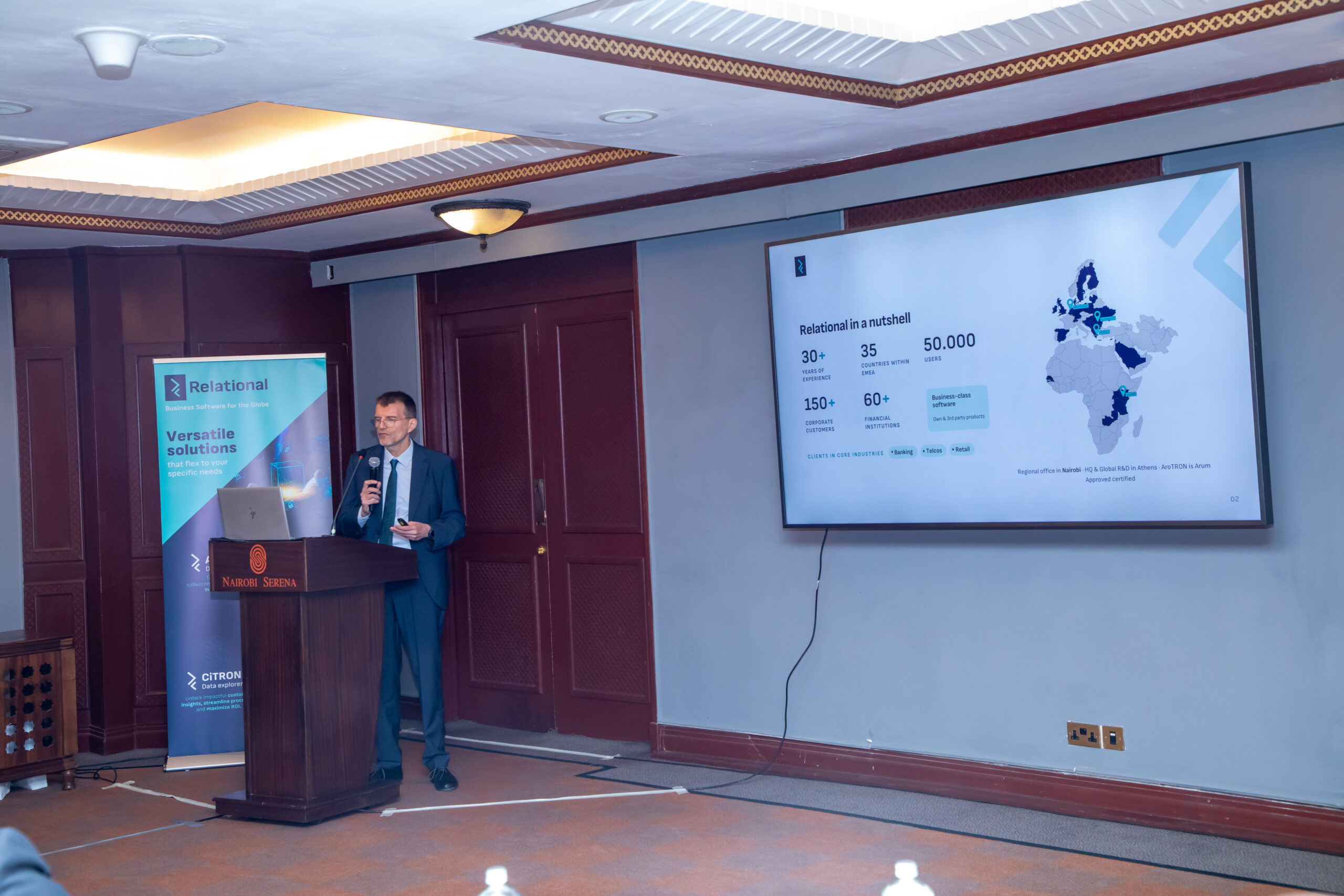
Panagiotis Psomas shared global perspectives on how modern collections technology is helping organizations improve consistency, efficiency, and customer engagement through the AroTRON platform.

Across markets, leading lenders are using technology to automate workflows, prioritize accounts intelligently, orchestrate omnichannel communications, and gain greater visibility into collections operations. The result is greater consistency, auditability, and better customer outcomes.

The panel discussion, which brought together leaders from banking, SACCOs, digital lending, and telecommunications, reinforced another important point that debt collection is ultimately a customer experience.

Panelists highlighted the growing role of AI in customer engagement, risk management, data strategy, and operational effectiveness. However, they also emphasized that technology alone is not enough. It must be supported by strong governance, compliance, and measurable outcomes.

This is where lenders should look beyond features and functionality and ask deeper questions about standards, controls, and compliance by design.

As technology becomes increasingly central to collections operations, independent validation is more important than ever. Certification provides assurance that a platform has been assessed against recognised standards for governance, operational effectiveness, compliance, and industry best practice.

At Relational, we are committed to helping lenders build collections operations that are effective, compliant, and sustainable. We are therefore proud that AroTRON® is Arum Approved, an independent certification widely recognised as a benchmark for collections technology. This validates that the platform meets established standards for governance, operational capability, and best practice.

The conversations at the Rethinking Collections in Kenya forum reinforced that successful collections are about recovering debt through the right process, with the right governance, supported by the right technology, while preserving the dignity of the customer and the reputation of the lender.

That is the future of collections.

And at Relational, it is the future we are helping lenders build.

0U7A9637
0U7A9553
Single Image
Related Articles
12/06/2026
The Practical Side of Wellness at Work
This year's Global Wellness Day is a reminder that wellness isn't just a buzzword in HR decks. It's about the practical stuff: how we work and whether we have the space, support, and flexibility to show up as ourselves.