07/10/2025
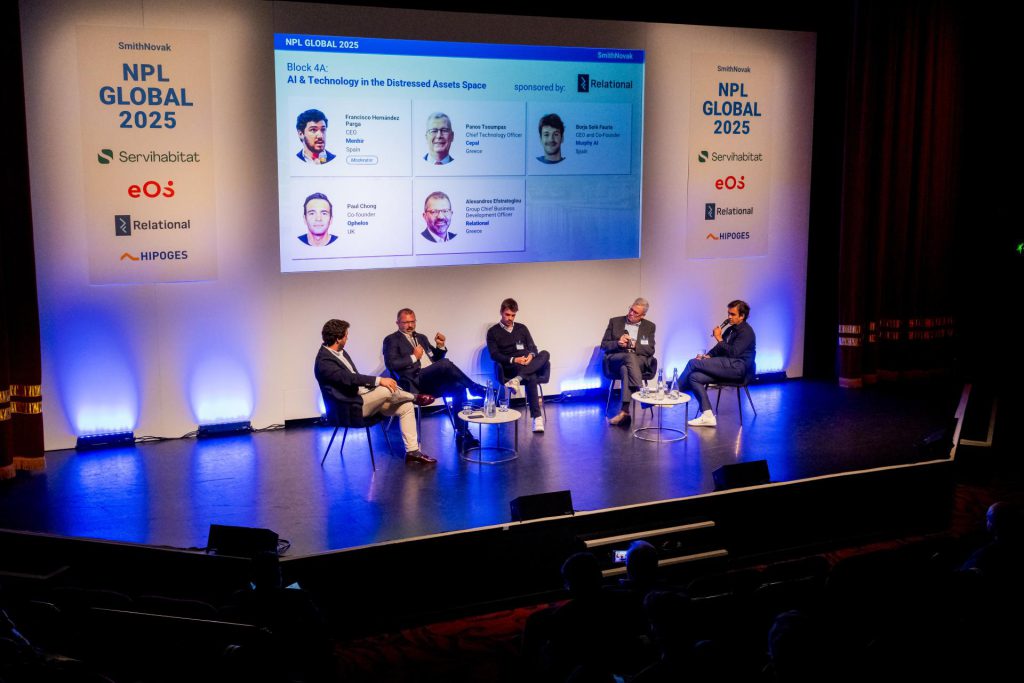
Last week in London, Relational took part as a sponsor and active participant in SmithNovak’s NPL Global 2025, the leading international conference dedicated to the evolving landscape of global distressed assets market.

Integration was a prominent topic. One discussion highlighted the importance of connecting a fully digital loan origination journey with core banking systems. Even where the customer-facing process is digital, integration effort, dependable data exchange and smooth handovers remain important to an efficient end-to-end process.
Participants also described operating environments in which origination, servicing and collections are supported by separate systems. This fragmentation can make it harder to maintain a consistent view of customers and loans, and can create additional work across operational teams. Modernization does not always require a wholesale system replacement; improving interoperability and reducing manual hand-offs can also deliver meaningful progress.
Data consistency and customer information were recurring concerns. Participants highlighted challenges associated with lower levels of digitization, consistency across data and customer communication, as well as the role of CRM capabilities. There was also interest in a Self-Service Portal that would allow borrowers to view their outstanding balances and payment history. Providing borrowers with clear, accessible information about their balances, payments and charges can strengthen transparency and help them better understand the amounts administered by the servicer. These capabilities are foundational to more coordinated customer engagement and better-informed operational decisions.
The discussion also pointed to the importance of improving loan administration and streamlining processes across the credit lifecycle. The specific priorities and ownership of these initiatives can differ between institutions, particularly where technology decisions are managed at group level.
Management information was another important theme. Participants described limitations in automated MIS reporting and the effort required to bring operational and portfolio information together. There was also interest in exploring Relational’s ArDAX capabilities.
The broader opportunity is to make reporting more timely, consistent and actionable: helping management monitor performance, identify emerging issues and prioritize interventions across servicing, collections and recovery.
Contributions from the debt-servicing sector brought this perspective into sharper focus. The discussion highlighted separate systems across the credit-management environment, manual, Excel-based legal processes and lengthy portfolio onboarding. Participants also indicated that standard collection KPIs are in place, while automated MIS reporting remains an area for improvement. A key opportunity identified was the automation of legal processes, supported by better-connected workflows and clearer operational visibility.
Relational shared its perspective on how the Credit Management Suite can support a more connected approach across the credit lifecycle: i-Apply for loan origination, SaveIT for loan servicing, AroTRON for collections and recovery, CiTRON for data orchestration and decision intelligence, and ArDAX for reporting and analytics. AroTRON also brings customer engagement capabilities into the collections environment through its integrated Dialer and AI Voice Assistant, supporting more coordinated and automated customer interactions as part of recovery workflows.
The roundtable reinforced a practical conclusion: successful modernization starts with clearly defined operational challenges, trusted and connected data, and improvements that can be delivered in manageable steps. The right priorities will vary by institution, but integration, data quality, automation and management visibility are common foundations.
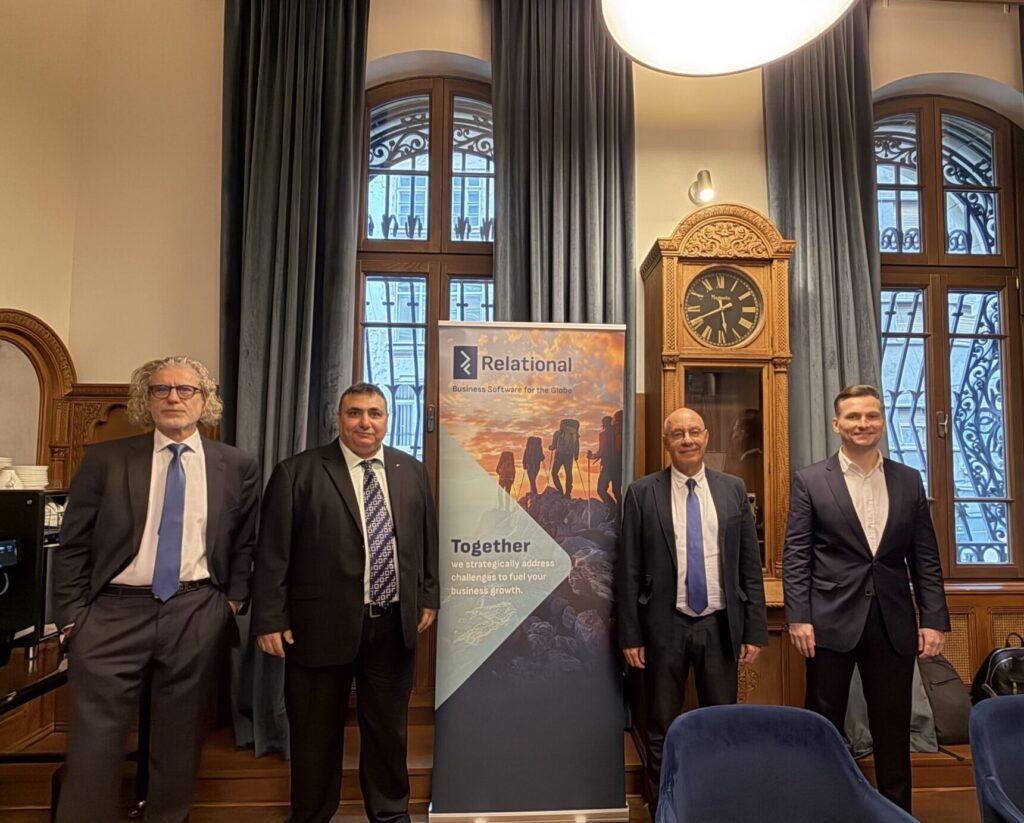
Thank you to everyone who contributed to an open and constructive conversation. We look forward to continuing the dialogue and exploring how these priorities can be translated into tangible outcomes for Romania’s financial sector.