Technology and Governance Must Work Together
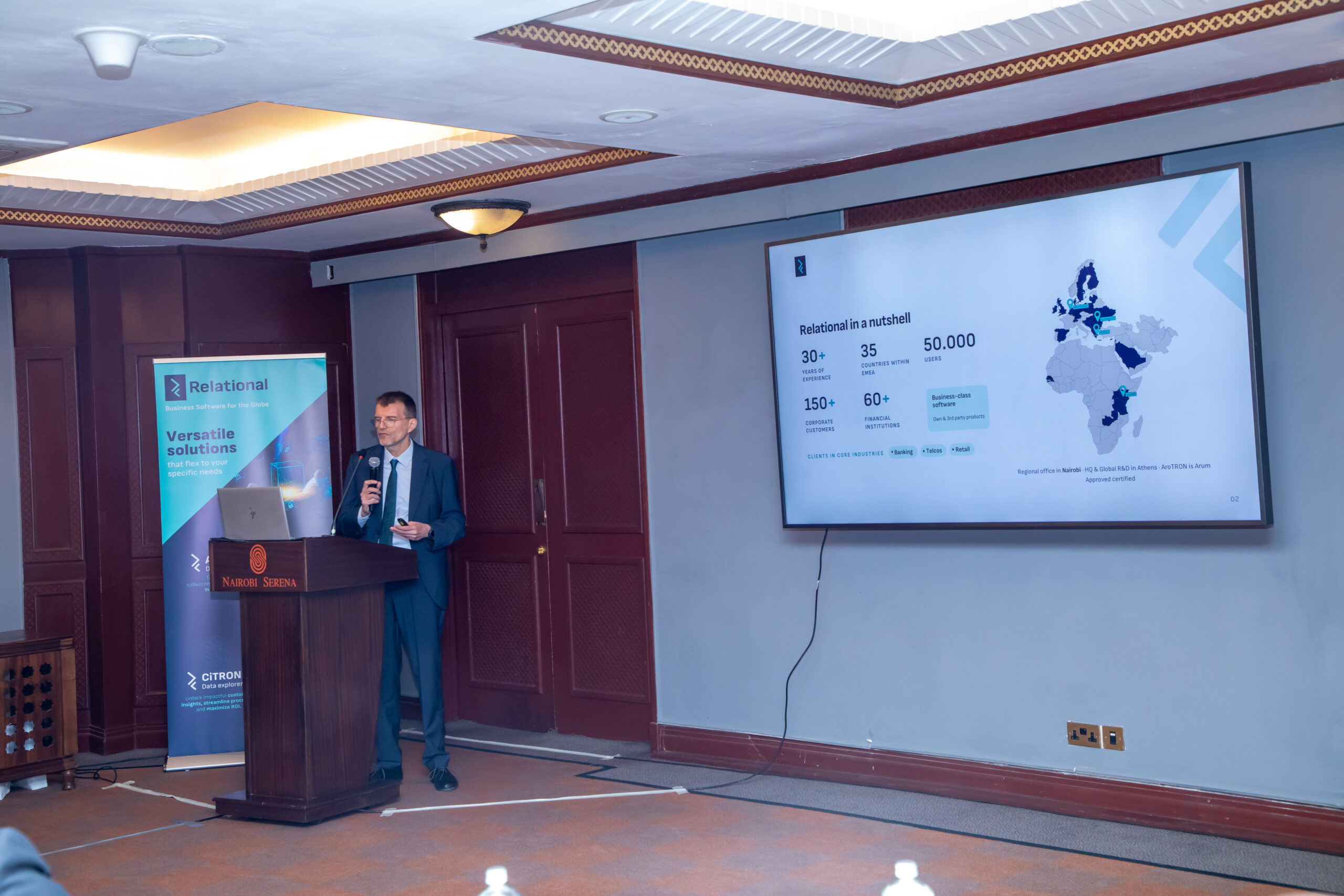
Panagiotis Psomas shared global perspectives on how modern collections technology is helping organizations improve consistency, efficiency, and customer engagement through the AroTRON platform.
Across markets, leading lenders are using technology to automate workflows, prioritize accounts intelligently, orchestrate omnichannel communications, and gain greater visibility into collections operations. The result is greater consistency, auditability, and better customer outcomes.
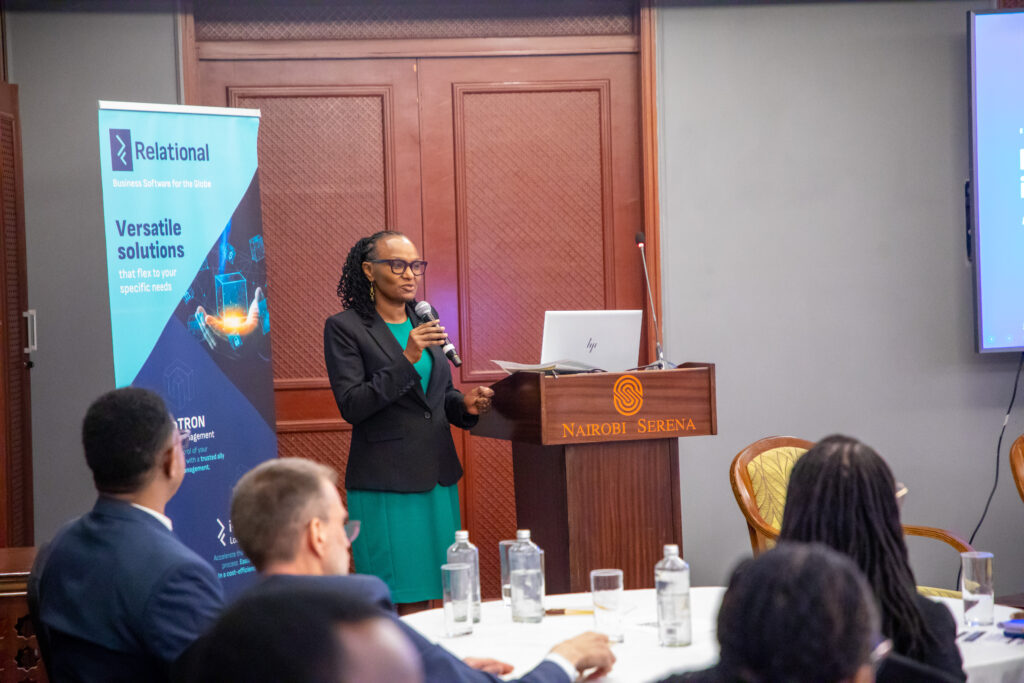
The panel discussion, which brought together leaders from banking, SACCOs, digital lending, and telecommunications, reinforced another important point that debt collection is ultimately a customer experience.
Panelists highlighted the growing role of AI in customer engagement, risk management, data strategy, and operational effectiveness. However, they also emphasized that technology alone is not enough. It must be supported by strong governance, compliance, and measurable outcomes.
This is where lenders should look beyond features and functionality and ask deeper questions about standards, controls, and compliance by design.
As technology becomes increasingly central to collections operations, independent validation is more important than ever. Certification provides assurance that a platform has been assessed against recognised standards for governance, operational effectiveness, compliance, and industry best practice.
At Relational, we are committed to helping lenders build collections operations that are effective, compliant, and sustainable. We are therefore proud that AroTRON® is Arum Approved, an independent certification widely recognised as a benchmark for collections technology. This validates that the platform meets established standards for governance, operational capability, and best practice.
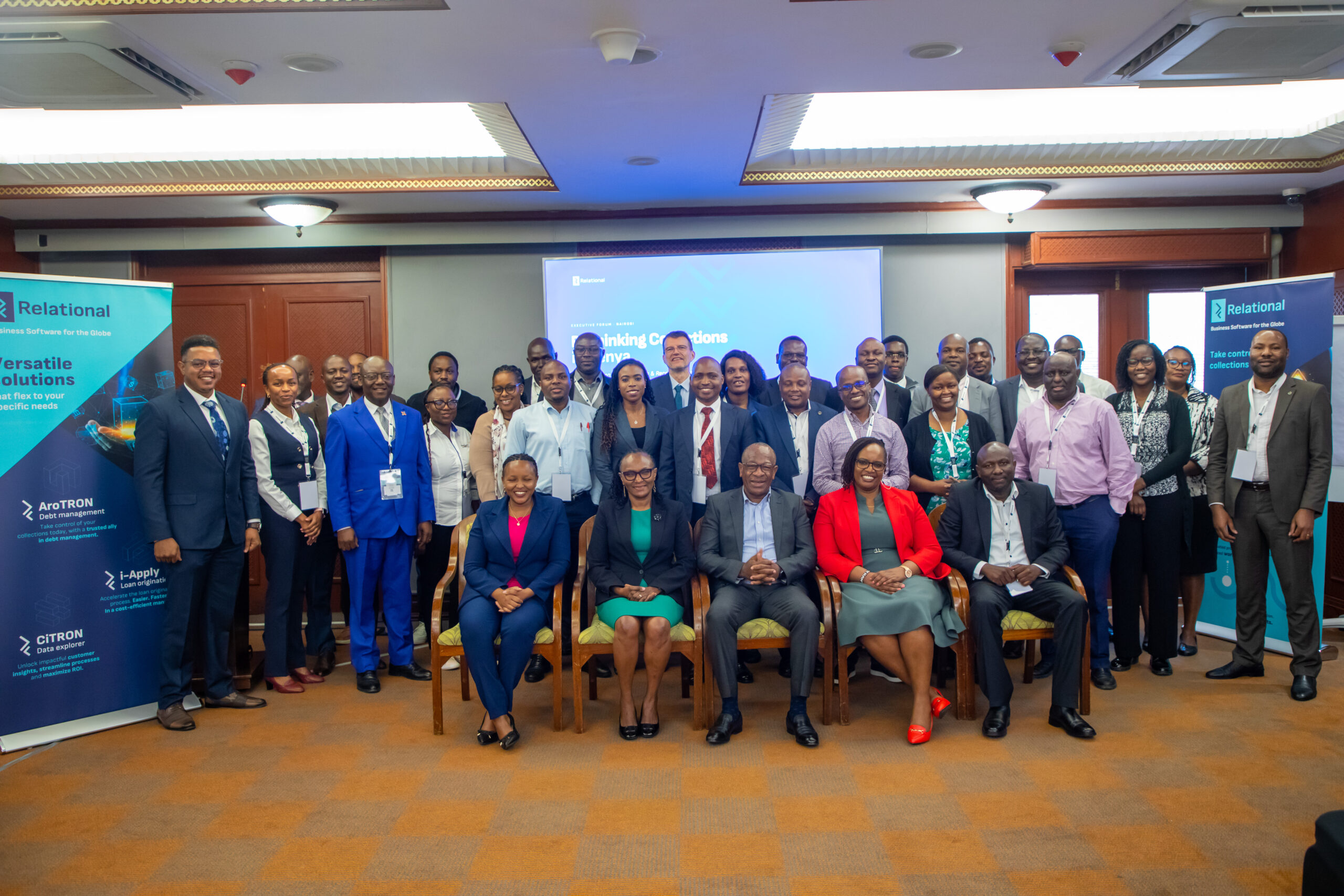
The conversations at the Rethinking Collections in Kenya forum reinforced that successful collections are about recovering debt through the right process, with the right governance, supported by the right technology, while preserving the dignity of the customer and the reputation of the lender.
That is the future of collections.
And at Relational, it is the future we are helping lenders build.